

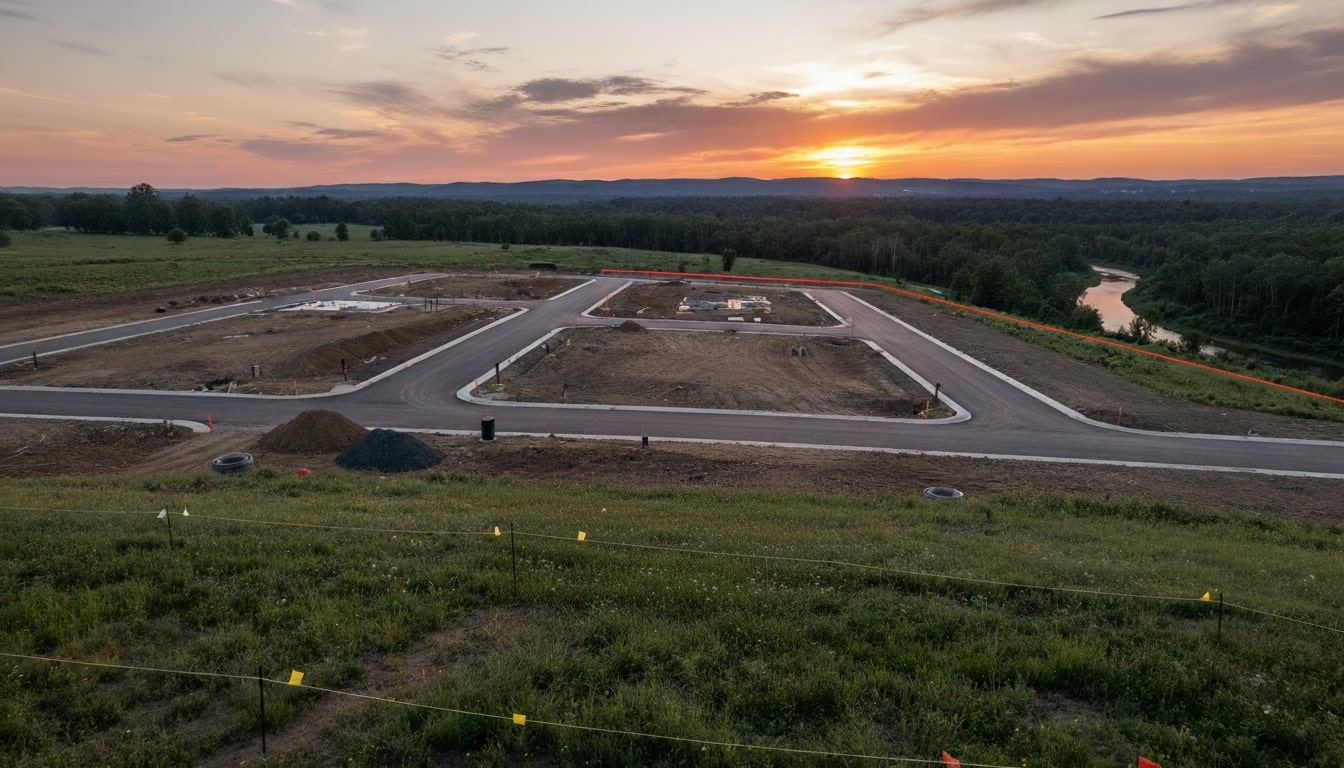
Understanding the subdivision of land requirements Johannesburg is crucial for any property owner or developer. Land subdivision involves dividing a single piece of land (an erf) into two or more smaller portions. This process is governed by specific municipal bylaws and national legislation. It allows for new development, optimizes land use, and can increase property value. Navigating these regulations can be complex, demanding careful planning and adherence to legal frameworks.
Why Consider Land Subdivision?
There are many reasons to subdivide land. Property owners might seek to sell off a portion of their large erf. Developers often subdivide to create new residential or commercial stands. Inheritance planning can also involve subdividing a family property among heirs. Effective subdivision can unlock significant economic potential. It supports urban growth and helps meet housing demands in a bustling city like Johannesburg. This strategic move requires a clear understanding of the rules.
The Legal Framework Governing Subdivision
Land subdivision in Johannesburg falls under several legal instruments. The Spatial Planning and Land Use Management Act (SPLUMA) No. 16 of 2013 is key. It sets national principles for spatial planning and land use management. Locally, the City of Johannesburg’s Land Use Scheme bylaws are vital. These bylaws detail specific requirements and procedures. They ensure that all new subdivisions align with the city’s broader development goals. Adhering to these frameworks is non-negotiable for a successful application.
Key Stages in the Subdivision Process
The subdivision process is methodical. It involves several distinct stages. Each stage requires specific actions and approvals. Skipping any step can lead to delays or rejection. Understanding these stages from the outset is beneficial. It helps applicants prepare adequately and manage expectations. Professional guidance is often invaluable throughout this intricate journey. This ensures compliance and efficiency.
Initial Consultation and Feasibility
Starting with an initial consultation is wise. Engage with a professional land surveyor or town planner. They can assess the feasibility of your proposed subdivision. This step involves reviewing the property’s title deed and zoning. They will also check the City of Johannesburg’s Land Use Scheme. This early assessment identifies potential challenges. It helps determine if your vision aligns with current regulations. It saves time and resources in the long run.
Engaging Professional Expertise
A team of professionals at Glensburg Town Planners is essential for a successful subdivision. This typically includes a registered land surveyor and a town planner. The land surveyor prepares detailed diagrams and plans. These plans accurately depict the proposed new boundaries. The town planner guides the application through the municipal process. They ensure all documents meet legal and planning standards. Sometimes, environmental consultants or engineers are also needed. Their expertise is crucial for specialized requirements.
Application Submission to the Municipality
Once plans are ready, the formal application is submitted. This goes to the City of Johannesburg’s Development Planning Department. The application package is comprehensive. It includes plans, reports, and various supporting documents. Precision and completeness are paramount at this stage. Any missing information can cause significant delays. The application must clearly define the proposed new erven. It must also justify the subdivision based on planning principles.
Public Participation and Objections
Many subdivision applications require public notification. This allows interested parties to comment or object. Notices are typically placed on site and in local newspapers. Neighbors and affected parties have a set period to respond. The municipality considers all valid comments and objections. This public participation phase is a democratic safeguard. It ensures transparency and fairness in land development decisions. Addressing concerns proactively can streamline this stage.
Approval and Imposing Conditions
If the application meets all requirements, approval is granted. However, approvals often come with specific conditions. These conditions might relate to service connections or road access. They could also involve financial contributions for bulk infrastructure. Understanding and fulfilling these conditions is critical. They must be met before the subdivision can be finalized. Failure to comply will halt the process. An expert can help interpret and satisfy these conditions.
Registration at the Deeds Office
The final step is registering the new erven. This occurs at the Deeds Office. The approved subdivision diagrams are lodged here. New title deeds are then issued for each subdivided portion. This legal registration formally establishes the new properties. It is the official recognition of the subdivision. Only after this step are the new portions legally separate entities. This allows them to be sold or developed independently.
Subdivision of Land Requirements Johannesburg: Key Considerations
Navigating the subdivision of land requirements Johannesburg involves several critical aspects. Zoning regulations dictate what you can build on a property. Each zone has specific density and land use rules. Minimum erf sizes are another crucial factor. These vary by zoning and area. You cannot subdivide a stand if it results in portions smaller than the prescribed minimums. Access to each new portion is also vital. All new erven must have legal access to a public road. This often requires servitudes or new road layouts.
Provision for essential services is non-negotiable. This includes water, electricity, and sewerage. The municipality will assess the capacity of existing infrastructure. Upgrades might be required at the applicant’s expense. Environmental impact assessments may also be necessary. This is especially true for larger subdivisions or sensitive areas. Understanding these requirements early prevents costly surprises. It ensures your project aligns with sustainable development goals.
Required Documentation for Subdivision
A comprehensive set of documents is always needed. This typically includes the property’s title deed and surveyor general diagrams. A locality plan showing the property’s position is also essential. Detailed subdivision plans prepared by a land surveyor are mandatory. These plans must adhere to strict technical specifications. A motivation report from a town planner explains the rationale for the subdivision. Proof of ownership and municipal rates clearance are also required. Ensure all documents are current and accurately reflect the property’s status.
Understanding the Costs Involved
Subdividing land in Johannesburg incurs various costs. Municipal application fees are a primary expense. These fees vary based on the size and complexity of the subdivision. Professional fees for surveyors, town planners, and other consultants are significant. Legal fees for conveyancing and deeds office registration are also part of the budget. Infrastructure contributions for services might be required. These contributions ensure that new developments do not strain existing municipal resources. For context on related processes, you might find our guide on Rezoning Application Cost South Africa Guide helpful, as rezoning often precedes or accompanies subdivision.
It is wise to budget for unforeseen expenses. Delays can lead to increased costs. Engaging experienced professionals can help estimate these expenses accurately. They can also help manage the process efficiently. A clear financial plan is crucial before embarking on a subdivision project. This ensures you are prepared for all potential outlays. It helps avoid financial setbacks during the process.
Common Challenges and Expert Tips
Subdivision can present several challenges. Delays due to municipal backlogs are common. Objections from neighbors can also complicate the process. Technical issues like inadequate services or difficult terrain may arise. Navigating these requires patience and expert advice. Always ensure your professionals have local experience. Their familiarity with Johannesburg’s specific bylaws is invaluable. Maintain clear communication with all parties involved. Be prepared for a potentially lengthy process. Early and thorough planning is your best defense against unexpected hurdles.
Conclusion
The subdivision of land requirements Johannesburg are extensive but manageable with the right approach. It is a strategic process that can unlock significant value. From initial feasibility checks to final registration, each step is vital. Engaging skilled professionals is not just an option, but a necessity. They ensure compliance with SPLUMA and local bylaws. By understanding the stages, requirements, and potential costs, you can successfully navigate land subdivision. This ultimately contributes to the dynamic growth of Johannesburg’s urban landscape.